When the Forsythia Blooms

It’s March, and I see the yellow blooms of the forsythia in my yard. But it’s not the first time this year that I’ve seen this phenomenon. The forsythia bush started waving yellow during a warm spell in January. The bush must have become confused by the sudden turn of weather in a month that is typically frozen and snowy. As the temps cooled down again, the forsythia stalled in its attempts to force its bright color upon us. But now. Now that it’s March and warm temperatures are again teasing us, the forsythia is once again attempting to bloom.

It’s pretty safe to assume that its efforts this time will be successful, since the days of the year are moving along. Is it safe to say that spring is just around the corner? I think so. But lest we be fooled into thinking that warm temperatures are here to stay, the weather has once again turned from warm to crispy cold. It’s a game that the seasons play on even the most weathered individuals. Each year, we face the same teasing of cold to warm and then back again to cold. Until one day, the cold is gone.

I find that life is the same as the forsythia bush. We see the much anticipated days of goodness ahead and try to rush headlong into them before it’s time. We’ve just survived our latest hurdle, and now another is on the horizon. The weather of life snaps, and we find ourselves in the midst of a heavy, burdensome load of trouble. We wonder if life will ever be good again. And so we wait. And then one day, we see the first sign of our burden easing and we breathe a little easier. Will it last? We’re not sure. But our hope is rising. And then one day, we find the burdensome problem has been resolved and we’re free to be carefree for a time.

Oh. If only life was simple.


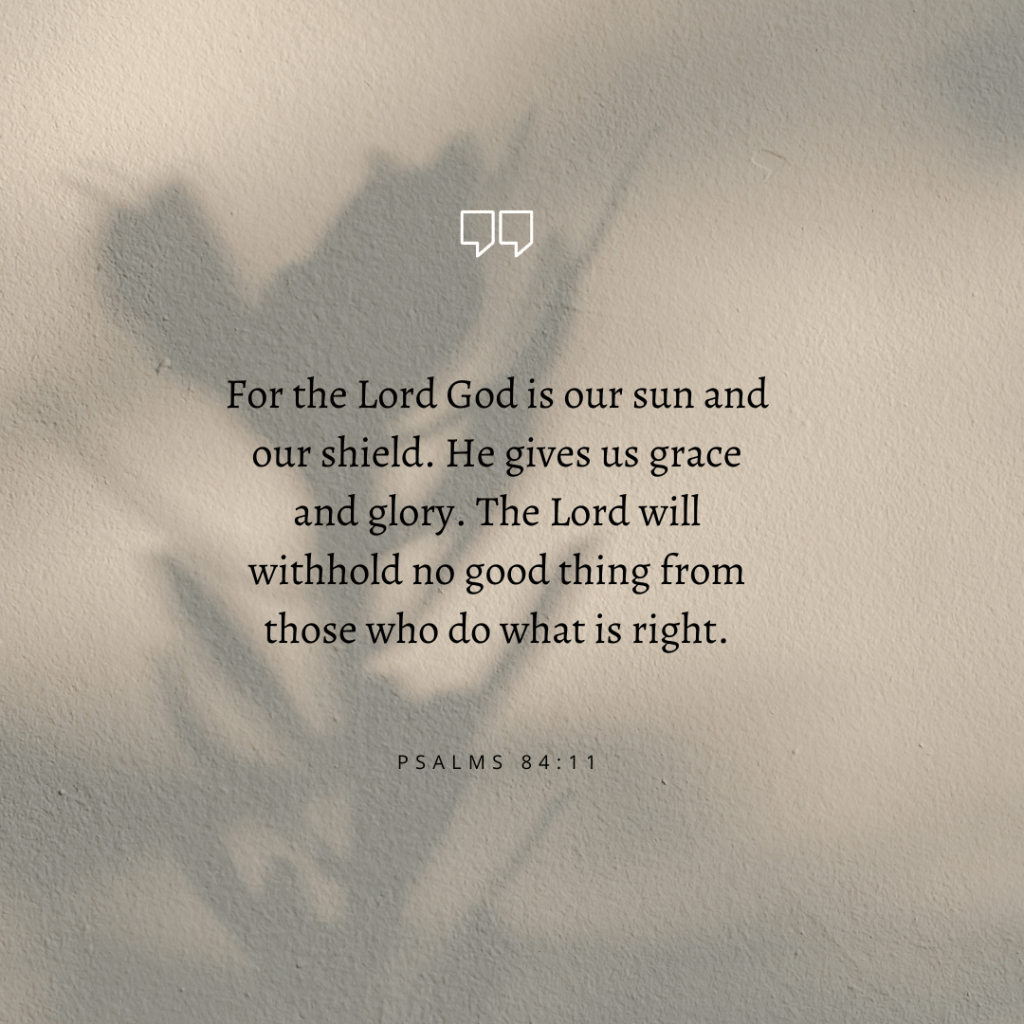
For the Lord God is our sun and our shield. He gives us grace and glory. The Lord will withhold no good thing from those who do what is right. Psalms 84:11


In the ninth chapter of Daniel, Daniel writes of a glimpse of hope for his people, the nation of Israel. He apparently took advantage of the great libraries and learning centers of Babylon and read many books. After all, he had been living there since he was a teenager. Oh. It wasn’t his idea to move many miles from his home in Jerusalem, but he had been captured and taken prisoner by Nebuchadnezzar, the king of Babylon. And Daniel had been forced to work in Nebuchadnezzar’s royal palace after he underwent an intense three-year re-education program.

For the rest of his life, Daniel worked in the royal palace of Babylon. He served many kings, as they would come and go. At times, he was placed in very powerful positions if he was favored and respected by the king. Some of the kings had a very high regard for Daniel’s God-given wisdom and intuition and trusted his advice. He would interpret their dreams and then give all the credit to God, for it was God who had given him the ability to understand and interpret dreams. However, other kings demoted him to lower positions and didn’t even know his name or past accomplishments. There were times in his service to the kings that his life was threatened. The possibility of bodily harm was a natural fear to have while serving people in high places. One wrong decision or word could have your life coming to a dramatic end. As Daniel served the kings, God watched over his life and once spared him from an untimely death when thrown into the lion’s den. Daniel didn’t waver in his faith and devotion to God. He honored his commitment to God and prayed faithfully each day.

But back to the ninth chapter of Daniel. He had somehow received a copy of Jeremiah’s prophetic letter. As he read it, he realized that God had sentenced his people to seventy years of exile in Babylon. Daniel was living this prophecy in real time. And he realized that the seventy years were soon coming to an end. Instead of being ecstatic about a possible return to his homeland, he fell on his knees and repented of his and his nation’s sins. He cried out to God to forgive the nation of Israel for defying God and turning their backs on him. As he read Jeremiah’s letter, he saw how God had punished them for their belligerent actions against an almighty God who had given their nation a favored status above all other nations. And they had rejected God’s favor. Daniel cried out in horror that his nation had been so blind and unrepentant.

Daniel realized that he was receiving the punishment due his forefathers for their sins of disobedience. His generation was the one to receive the just penalty of a ruined nation and exile to a hostile, foreign land. Oh. Daniel didn’t beg God to let him return to Jerusalem to live out his final years. No. He never said those words. He asked for forgiveness and mercy instead.

We may not understand why the forsythia gets confused when the weather wreaks havoc on its blooming cycle. But we do understand that eventually the forsythia will bloom once the conditions of spring are met. And then its beauty will shine forth. Daniel, too, realized that his nation’s punishment would soon end and his people could return to their homeland. Hope was on the horizon.

When he was led as a prisoner to Babylon, Daniel didn’t know he would live to be an old man and die there.  He didn’t know that he would never return home to see Jerusalem again. He didn’t know the obstacles he would face. But he had a strong faith in God. He knew that his God would not fail him. And he knew that at the right time and in the right condition, God would strengthen and encourage him when all else seemed lost. Daniel never wavered in his faith. His faith only grew stronger as time passed. Soon, he was an old man and had lived his entire adult life as a servant of kings in a royal palace that rebelled against God.

Daniel didn’t realize that as he was serving in this foreign land, God was also judging the evil leaders of his day. As part of God’s plan, Babylon too would be taken captive and be forced to bow to foreign kings. And through the downfall of Babylon, Daniel stood strong in his faith in God. As the new rulers took their place on Babylon’s throne, once again Daniel was placed in a position of authority serving another ungodly king. His faithfulness to God made him a highly sought after ally for a king needing self-assurance and stability. Even at the age of eighty, Daniel was still a trusted leader.

I’ve read that when people are hurting, the entire world looks bleak. We see no way out of our situation and feel like we’ll be stuck in this never ending cycle of pain. We don’t know when the waves of uncertainty and trouble will enter our lives, and we don’t know how long they’ll last. But we can live in peace and contentment when we are serving God.

We never question if the forsythia will bloom each spring. Our only question is when it will bloom. Because we know it will. Perhaps it’s time for us to use the same logic when we face our own devastations. We shouldn’t ask if life will ever be good again. We should ask how we can accept our situation even when it’s not good. We must hold onto the knowledge that God is good all the time. And all the time, God is good. Regardless of the unfortunate events we have faced or will face in the future, we can rest assured that God is in control. And God always wins. Our hope must be in God alone.

Be Careful About What Offends You

The Bible is the Word of God. It’s God’s message of love, hope, salvation and justice to everyone. God speaks truth in his word. God’s plan is perfect, so when Adam and Eve hit a bump in the road and disobeyed him, he had a solution for their sin. When they ate the forbidden fruit in the Garden of Eden, God provided a plan of forgiveness. And it wasn’t just a plan to save Adam and Eve; it was a plan for the salvation for all mankind. But ever since then, mankind has been on a collision course with eternity. And each of us needs to fully surrender to God’s free gift of forgiveness and salvation for our sin.

We can read in God’s word about his plan of salvation. We can hear it preached in church. We can see how salvation has changed people’s lives. We have the choice to accept or refuse this gift God is offering to each of us. God doesn’t make us choose to live according to his will. He gives us a choice. We make the decision.

The thing is. God’s word is the same for everyone who reads or hears it. Some people are convicted by hearing about their sinfulness and repent. They choose to become a follower of Christ. Others are highly offended and turn against God. They live in opposition to his commands. But his commands don’t change. God is always constant, and he doesn’t show favoritism.

On a recent podcast, the speaker shared that the same fire that melts wax hardens clay. The same wind that sways the oak tree will uproot the weak. And it’s the same with God’s word, which doesn’t change. The difference is in the hearer.

This podcaster encouraged his listeners not to harden their hearts, but to turn from their sinful ways and follow God. The only one we must fear is God. And that fear isn’t the same as being frightened in the dark. It’s the fact that we respect God’s authority and obey him. The fear of God causes us to bow to his commandments and leading. Our fear of God means we don’t act beyond what he allows. We must have a reverence for God and stand in awe of his power and wrath.


For the Lord your God is the God of gods and Lord of lords. He is the great God, the mighty and awesome God, who shows no partiality and cannot be bribed. You must fear the Lord your God and worship him and cling to him. Your oaths must be in his name alone. He alone is your God, the only one who is worthy of your praise. Deuteronomy 10:17, 20-21


In his death on the cross, Jesus represents submission to God, not submission to the authority of man. He represents absolute truth, so when we read the word of God we see our own sinfulness. And we have the choice to be convicted or offended. Sure. The truth hurts. But it also heals if we accept the forgiveness of our Lord and Savior.

Perhaps it has to do with the fact that people no longer fear God. We live for ourselves alone and assume we are our own authority. But the fear of God needs to be seriously considered and practiced. Living in the fear of God doesn’t mean we’re quaking in our boots at the mention of his name. But it does mean that we respect and acknowledge our limits, and we don’t cross the boundaries of Scripture. We must realize that God is God and we are not him. His authority is supreme over anything and everything else.

We see the fear of God lived out in the Bible. When the Hebrew midwives disobeyed Pharaoh’s orders to kill all the newborn baby boys, they refused. They had more fear of God than they did of the king. They knew that if they murdered all those babies, they would stand in judgment before God. They knew they couldn’t cross that line. They stood firmly in their faith in God, and God gave them families of their own in honor of their obedience.

You can read the story of the Hebrew midwives in Exodus 1.

In another Bible story, Daniel’s three friends refused to bow in worship to the king. When the king gave them a second chance, they again refused. They said that if God wanted to save them, he would. If he didn’t want to save their lives, then he wouldn’t. And as a result of their refusal to worship the king, they were thrown in to a fiery furnace. And God chose to honor their obedience and saved their lives.

You can read the story of Daniel’s friends in Daniel 3.

Trust in the Lord with all your heart; do not depend on your own understanding. Seek his will in all you do, and he will show you which path to take. Proverbs 3:5-6

How Bright is Your Light?

Boy. Did I ever get a shock when I walked into his office. He was playing Christian music. And in the two years I’ve worked with this man, I never would have thought he would be associated with anything Christian. As I stood there talking to him, I wanted to join in singing “I’m a Survivor” with Zach Williams. But I didn’t. I kept a straight face and stayed in the conversation as my mind was running in circles trying to figure out this man I was talking to. Is he a Christian?

I wonder. If the roles were reversed and he walked into my office as I listened to Christian music, would he be as shocked as I was hearing it in his office? Would he question how I could be a Christian after he has seen the way I work and heard the words I say? Does he see an attitude of resentment or inconsistency in me?

Imitate God, therefore, in everything you do, because you are his dear children. Live a life filled with love, following the example of Christ. He loved us and offered himself as a sacrifice for us, a pleasing aroma to God. Ephesians 5:1-2

I don’t mean to judge the man. But by what I see and know of him, I wouldn’t assume he’s a Christian. And I know. Just because someone listens to Christian music doesn’t mean they’re a Christian. But also, it doesn’t mean they’re not a Christian if they don’t carry their Bible to work. And, besides, Christians aren’t perfect people.

That gives me pause, though. What do others think of me? Is the love of Christ evident in my life? Do I work as if I’m working for the Lord? Does my work ethic speak of reliability and integrity? Do I always try to do my best, even when no one is looking? And it’s not just at work that I should consider my Christian witness.  Am I a godly neighbor to the family living next door? Oh. They see me leave for church each Sunday. But anyone can go to church. Does my life offer the sweet aroma of Christ to a lost and hurting world? Do my actions speak louder than my words?


So be careful how you live. Don’t live like fools, but like those who are wise. Ephesians 5:15


How bright is my light in the world? If I don’t ever tell others about my faith, can they see it lived out?

Oh. I’ve never heard vulgarity spew from this man’s mouth, but I have heard him speak ill of others. It makes me question myself more than I question him. What have others heard me say about others? Do I look for the good in someone even when all that’s visible is not good? Do I voice those concerns for any ear to hear? Or do I place a guard around my negative thoughts? Just because I think something doesn’t mean I have to speak it. Just because something is true, doesn’t mean I have to share it with others.

And do not bring sorrow to God’s Holy Spirit by the way you live. Remember, he has identified you as his own, guaranteeing that you will be saved on the day of redemption. Get rid of all bitterness, rage, anger, harsh words, and slander, as well as all types of evil behavior. Instead, be kind to each other, tenderhearted, forgiving one another, just as God through Christ has forgiven you. Ephesians 4:30-32

I noticed a mistake in my work the other day. And I noticed it almost too late. I had decided I would let it go and hope for the best. But I knew that it would eventually be discovered. I didn’t want to correct the mistake, because it would require me to undo some work and then re-do it. I was on a self-imposed deadline, and I didn’t want to be bothered. Would anyone even know if I left it? Yes. They would, but it probably would have taken weeks to be discovered. And maybe by then I would have forgotten about it. 

But then. I felt that thumping of my heart. I knew God was nudging me to do the right thing. So I did. I had to admit my mistake and ask for help. I had to undo the error and then correct it. But I did it. And now I have a clear conscience. As a Christian, I need to work with integrity and character, even when only God is watching.

And now I find myself wondering why I even considered letting the error go. Why would I do that? Don’t I want to do my best work possible? Would I have been tempted to lie later down the line when the mistake was uncovered? It was an honest mistake, after all. But the attempt to cover it up would have been dishonest. And I just couldn’t do that.

Don’t be selfish; don’t try to impress others. Be humble, thinking of others as better than yourselves. Don’t look out only for your own interests, but take an interest in others, too. You must have the same attitude that Christ Jesus had. Philippians 2:3-5

The ultimate goal of Jesus for His disciples was that His life be reproduced in them, and through them into the lives of others.

Robert Coleman

If no one can see the life of Jesus in our lives, what does our witness look like? What is seen in Christians if it isn’t the life of Jesus? Do we live out the ten commandments? Do we live by the Sermon on the Mount in Matthew 5-7? Do we deny ourselves and take up our cross daily? Is our light shining on a hill for the world to see, or do we keep it covered for safekeeping? If we’re not letting our light shine, then what are we doing? If others can’t see our light, is it even shining?

When Christianity Isn’t Christianity

On the front sleeve of Yoram Hazony’s book “Conservatism”, we’re told that he shows in the book “that by identifying conservativism with ‘classical’ liberalism, conservatives embraced the very principles that led to their defeat”. He said “the survival of Western democracy requires a revival of the centuries-old legal, religious, and cultural traditions that made Britain and America models of national freedom for the entire world.” 

The same principle can used for describing Christianity today. If we say we’re Christians, then we must embrace the very principles that are in the Bible. If we want to see the survival of historical Christianity, then we need a revival of our hearts. When Christianity embraces the same principles as the non-Christian world, Christianity will face defeat. Perhaps not total defeat, for there will always be a remnant of faithful followers of Christ. But defeat, nonetheless, as it relates to being light in a dark world. Individual souls will face defeat when faced with God’s judgment.

When we identify Christianity as synonymous with today’s culture, something is wrong. It just doesn’t work. Christians should be identified by how they are not like the culture. Oh. Perhaps not in every way or in everything. But when it comes to the cultural lies that we all face, we know what we’re talking about without actually saying it. When Christians buy into the fact that they can live their lives the same as their unbelieving friends and still call themselves Christians, who are they really fooling?

Basic truth I wish every Christian realized: Silence in exchange for cultural respect is a deal with the devil.

Natasha Crain

The Greek empire was split into four kingdoms after the death of Alexander the Great. One of the four major players was a man named Antiochus Epiphanes, who was one tough cookie. He was out for blood. In particular, he was out for the blood of the Jews. He had conquered all the countries that surrounded Israel, and he had his sight set on Israel. His goal was to make himself the god they worshipped and bowed to. The problem was that they feared God more than they feared this man, so they didn’t follow his lead. And he made them pay for their disobedience. 

But there were others in the Jewish community who were in awe of the Greek culture and lifestyle. It was attractive, less restrictive and made fewer moral demands on them. It was an easier lifestyle. It seemed. They could throw caution to the wind and indulge their whims and desires. It felt as if they were finally free. So they indulged themselves in this newfound freedom. They gave up their faith for a lesser known religion of self-indulgence. They abandoned God and regarded man as their authority.


Don’t copy the behavior and customs of this world, but let God transform you into a new person by changing the way you think. Then you will learn to know God’s will for you, which is good and pleasing and perfect. Romans 12:2


The same scenario is playing out before our eyes today. People call themselves Christians, yet they’ve abandoned God. They stand for nothing vaguely similar to Christianity. Their knowledge of the Bible is limited, and their church attendance is nonexistent. Yet they say they’re Christians.

Oh. This is a controversial topic. Calling yourself a Christian without fully knowing what being a Christian is all about. It’s an easy label to slap on your sleeve. And then change nothing else in your life. When someone says they’re a Christian but still follow unchristian ways, are they really a Christian? Are they a born again Christian? It’s not my place to say. I’m not the Holy God, the Judge of the ages. But the definition of a Christian is one who has repented of their sins and is committed to following Jesus Christ as their Lord and Savior. They’ve died to their own desires and live totally surrendered to God.

My old self has been crucified with Christ. It is no longer I who live, but Christ lives in me. So I live in this earthly body by trusting in the Son of God, who loved me and gave himself for me. Galatians 2:20

Therefore, dear brothers and sisters, you have no obligation to do what your sinful nature urges you to do. For if you live by its dictates, you will die. But if through the power of the Spirit you put to death the deeds of your sinful nature, you will live. For all who are led by the Spirit of God are children of God. Romans 8:12-14

We have to make a conscious choice not to make evil good. We must live biblically when we call ourselves Christians. Otherwise, what are we? When we become a Christian, we are, in essence, taking up the cross of Christ. We are wearing the blood stripes on our back. We have nail prints on our hands. Our side has been cut open and bodily fluids have been drained. We have died to ourselves. So there must be a change in us. We can no longer bow to the whims of soft Christianity. There is a price we pay to be an authentic Christian.

If you have not chosen the Kingdom of God first, it will in the end make no difference what you have chosen instead.

William Law

In Leviticus 10:10, Moses instructed the priests and the general population how to be set apart for God. He said they must know what is holy and what is common. They must be able to distinguish right from wrong. The same goes for Christians today. We must be set apart in our actions and responses to a culture that ignores God.

Throw off your old sinful nature and your former way of life, which is corrupted by lust and deception. Instead, let the Spirit renew your thoughts and attitudes. Put on your new nature, created to be like God—truly righteous and holy. Ephesians 4:22-24

You are a chosen people. You are royal priests, a holy nation, God’s very own possession. As a result, you can show others the goodness of God, for he called you out of the darkness into his wonderful light. 1 Peter 2:9

Does He Really Get Us?

It looks like we have yet another conflict in the Christian world this week. If you watched the big football game last Sunday, you probably saw the commercials that have been causing controversy in the Christian community. Some Christians love the idea that “He Gets Us”, and others are as appalled by it as they are by “The Chosen”. There are always two sides to the story. Two viewpoints. Two arguments. And people who claim to love and follow the same Jesus are all up in arms because their neighbor, co-worker or family member doesn’t agree with them. 

Apparently, the aim of the ad campaign that was launched around the same time last year was to help rescue Jesus’ reputation. It seems that those who follow him have dirtied his name so much that those who don’t follow him want to help clean up his image. Because, after all, aren’t they the experts in the life and intentions of Jesus? Doesn’t it seem that the nonbelievers know exactly how believers should live and make sure to tell us when we’re getting it wrong. And apparently, the campaign needs to be continued this year so more damage control of the name of Jesus can take place. Shame on us Christians, some would say. But also. Shame on those who don’t call Jesus Lord of their life for trying to tell those who do how to be a Christian.

Some people claim the ads are done in good taste and have good intent. Others call the ads a mockery of faith. The question at hand is: Does Jesus really get us? In the ads, we see ordinary, every day people washing the feet of a lesbian, a gay man, and a woman at an abortion clinic. Would Jesus wash their feet? The first question we have to ask is why did Jesus wash his disciples feet in the first place? Was it a practice others followed, or was this just a one-time act of servanthood by Jesus?

Jesus washed the feet of his disciples because they were dirty. When walking in sandals on dirt roads, feet get dirty. It’s pretty simple. And it was typically the job of a servant to wash the dirty feet of travelers. But in this case, there was no servant. So Jesus lowered himself to do the dirty task. It was humbling for all, to say the least. Not only did he wash the feet of the eleven who ate with him, but he also washed the feet of the one he knew would betray him later that night. And he did it anyway. And with his example, he was asking his followers to be willing to serve others in any way that would honor and glorify God. Even if it was a dirty job typically performed by the lowest of people.

You can read the full story of Jesus washing the feet of his disciples in John 13:1-20.


For everyone has sinned; we all fall short of God’s glorious standard. Yet God, in his grace, freely makes us right in his sight. He did this through Christ Jesus when he freed us from the penalty for our sins. Romans 3:23-24


Yes. It’s even documented that Jesus ate with sinners. He forgave the woman caught in adultery. He healed the sick and the lame. He loved the sinners as much as he loved those who made the decision to follow him. The difference between the sinners and the followers is that the followers gave up their sinful past and followed the ways of Jesus. They didn’t expect Jesus to follow and approve their old, sinful ways. They were made new by the forgiveness of their sins, and they no longer had the desire to stay in their sinful habits. Sinners haven’t given up anything to Jesus. They’re still wallowing in their sin.

The ad is right when it says that Jesus didn’t teach hate. That part is true. And he did wash the feet of his disciples the night before he was crucified. Just once. Just once in the Bible did Jesus ever wash anyone’s feet. And that night was the last night he would spend with those twelve chosen men. Jesus’ act of servanthood was a view of what was to come later that night and the next day when he laid down his life for the sins of all mankind. His death allowed our slate of sins to be wiped clean, not by foot washing but by the blood that Jesus shed on the cross. 

It didn’t make Jesus any more human or any more godly when he washed the dirty feet of the twelve. The act was a conscious effort to serve those who would go on to serve others in Jesus’ name. And, of course, we as believers must imitate Christ. He is our example. We can serve sinners in a multitude of ways without ever washing their feet, because honestly, most people don’t go around washing others’ feet. Some people may need shoes on their feet. Others may need food or clothing or a warm place to sleep. We just have to make sure that our methods of serving those who need Christ don’t enable the person to continue in their sin. Our acts of kindness mustn’t condone ungodly behavior. We must act to share the gospel message of salvation, and at times it’s through serving the basic needs of lost and hurting souls.

Supposedly, someone in the know said that he’s aware these commercials are incomplete in their messaging of the gospel of Christ. He says they’re meant to be used as conversation starters. And by all means. Let’s start the conversation.  And, let’s assume the creators of these commercials had the purest of intentions in telling these stories. But someone in the conversation needs to know biblical truth and speak it accurately. A false gospel isn’t worth sharing. It’s just false.

One other thing. Since when did it become about Jesus getting us? He knows us intimately even if we don’t return the favor. We should be getting him. He’s already paid the price for our sins. Now, we must repent of those sins and live forgiven. We should ask Jesus to save us. Not just to get us.

Should I Stay or Should I Go?

Oh. The preacher so loved by so many has caused such a stir in recent weeks. He gave advice to a grandmother, and it hasn’t gone over well with others. Oh. It was a message he gave a few months ago that has suddenly come to light. And now it’s created chaos in the Christian community. He has been canceled by some and applauded by others. Many have definite opinions about the subject, while others choose to stay silent. 

The issue at hand is whether it is a sin for a Bible believing person to attend a gay wedding. Should they go or should they stay home? For some, it’s a quandary they hoped to never face. Until it’s staring them in the face. And then a difficult decision must be made. And a tough conversation must take place. Regardless of which side they choose to take, words must be said. Love and compassion must be shared.

How does a Christian respond when asked to do something that goes against their biblical beliefs? Is it ever acceptable to participate in or applaud an activity they believe goes directly against God’s will? Is it acceptable to attend an event in order to show “Christian love”? How do you not support one activity but still show love? When is it acceptable to disapprove another person’s choices without fracturing the relationship? Is it even possible? Can both sides be happy and stay connected?

I’ve read multiple articles and listened to podcasts of Christian leaders who’ve begun to address this pastor’s advice. Someone has asked how to stand their ground and show love at the same time. Is it possible? Should the one who chooses to stand for their biblical beliefs have to tiptoe around the one offending the Bible? 

One writer suggested that, as followers of Christ, we should stop to ask ourselves “What do I know for sure?” when faced with such a defining dilemma. What do I know for sure about loving others unconditionally? What do I know for sure about following Christ’s commands? What do I know for sure about being a faithful Christian witness to those in need of a Savior? What do I know for sure about sin? Another writer said that unconditional love is not unconditional acceptance of someone else’s choices and decisions. 


Love does not rejoice at wrongdoing, but rejoices with the truth. 1 Corinthians 13:6


Should we attend a gay wedding if we don’t support that ideology? Isn’t biblical marriage a covenant between a man and a woman? And witnesses must be present to sign the legal documents. By sitting in attendance at such an event, are we not helping to seal the covenant being signed by these two? Isn’t eating the cake and raising a toast to the couple an endorsement of their union? By offering a gift, are we not celebrating them?

If it’s true that marriage is God’s plan for a man and woman to create the next generation, then it isn’t possible for two people of the same sex to procreate. Since a union between two of the same sex isn’t a marriage in God’s eyes, how can it be a marriage in a believer’s eyes?

One well-known pastor says an invitation to a same sex wedding is a theological test for a believer. How would you respond to that test?

I know. I’m asking too many questions about a delicate matter. But when we’re faced with a difficult moral and spiritual decision, all factors must be laid on the table. We can’t just continue to sweep the dirt under the rug, for soon the rug is dirty. So, I’ll continue on with more questions and thoughts.

How many have ever sat in attendance of two people marrying when they believed the couple was making a huge mistake, even if one is male and one is female? Is there a difference in attending that wedding versus attending a ceremony for two men or two women? If the act violates our conscience, is it a sin to attend regardless of who is getting married? If we wait for the red flag of resistance to fade to white, that means we’ve surrendered our beliefs and standards. 

Are we applauding sin with our attendance? Are we succumbing to today’s culture if we attend? Do we have a better witness by attending or staying home? If we choose to attend, does the couple know our convictions? Do they know that we love them unconditionally? If we stay away, what is our message to them?

Peter preached salvation to the Gentiles. He got called out by Jewish leaders for entering a Gentile home. But he went there to preach salvation, not to applaud their sinful behavior. He didn’t walk in the Gentile door to witness a binding contract or to approve of sin. He was there to witness sinners being saved. And he rejoiced in their salvation, not their sin.

You can read the story about Peter in Acts 10-11.

Jesus invited himself to eat dinner at the home of Zacchaeus, the tax collector who heavily taxed people and pocketed some of the money. Because of Jesus’ love and nonjudgmental actions toward this man he noticed sitting in a tree, Zacchaeus repented of his sins and became a follower of Christ. Not only did he repent, but he paid back everyone he had wrongfully overtaxed. And he gave half of his wealth to the poor. Jesus didn’t encourage him to steal more or applaud his illegal gain of wealth.

You can read the story of Zacchaeus in Luke 19:1-10.

Jesus went into the Temple and saw people buying and selling animals for sacrifice. He turned over the tables of those merchants and kicked them out the Temple. They were desecrating the place reserved for worshipping and offering sacrifices to God. They were not welcome to desecrate the God’s holy place. 

Jesus entered the Temple and began to drive out all the people buying and selling animals for sacrifice. He knocked over the tables of the money changers and the chairs of those selling doves. He said to them, “The Scriptures declare, ‘My Temple will be called a house of prayer,’ but you have turned it into a den of thieves!” Matthew 21:12-13

Then there’s the story of the prodigal son. He had asked his father for his inheritance, which was freely given to him. Then he left home and squandered all his wealth on careless living. Once he realized his sad, penniless situation, he went home to his father and repented. The father gladly welcomed him home with outstretched arms, not because he approved his son’s poor choices but because his son was repenting and asking for forgiveness. 

You can read the story of the prodigal son in Luke 15:11-32.

We should consider our motives for being in mixed company. And by mixed company, I mean attending events that applaud and approve those who reject biblical teaching. What is our purpose for being with those who are seeking our approval for their deliberate sins? Our words and actions should not show approval for their lifestyle. Do they know our convictions on the matter? If our actions match the actions of nonbelievers. If our approval is given for unbiblical actions. If our actions speak louder than our words, are we really representing Christ?

Our Christian faith must show consistency. We can’t claim one belief one day and then go against it the next. We can’t condone one sin while calling out another. Yes. Jesus did eat with sinners, but not while they were blatantly acting in sin. Zacchaeus stopped sinning once he ate with Jesus. He repented of his sin of stealing and returned the money. In the parables of Jesus, he said to rejoice when sinners repent. He didn’t tell us to celebrate with them when they continued in their sinful ways.

As Christians, we must be kind and compassionate to those choosing to disobey God’s commands. We can love someone without loving or affirming their behavior. We must be courageous enough to draw a line in the sand when faced with a decision that goes against our Christian convictions. Scripture tells us not to condone sin, for we too will stand in judgment some day.

Be on guard. Stand firm in the faith. Be courageous. Be strong. And do everything with love. 1 Corinthians 16:13-14

Whom Shall I Fear?

The famine was not only in Egypt; it had also devastated the surrounding countries. And when Joseph moved his father’s family to Egypt so they wouldn’t starve, the number of his family was seventy strong. But through the years in Egypt, God blessed this family. They were fruitful and multiplied into a massive nation. They grew so strong that the Egyptians were afraid they might turn against them, so the Egyptians forced the Israelites into slavery. The slaves were worked to the bone, yet their numbers continued to grow. Finally, Pharoah had had enough. He was afraid that some Israelite would someday overtake him and become king of Egypt. He couldn’t have that, so he devised a plan to depopulate the nation of Israel.

Pharoah advised the Hebrew midwives to kill all the baby boys born to the Israelites. Because the midwives feared God more than they feared Pharoah, they disobeyed his order. These brave women deliberately saved the lives of many newborn boy babies. They decided they would not lay a hand on the infants. By staying true to their faith in God, these women prevented a genocide ordered by the king of Egypt. They didn’t set out to be courageous or to be heroes. They acted on their knowledge that God was the giver of life. And only he could take life. It wasn’t theirs to end the life of a precious human, so they allowed all the baby boys to live.

Pharoah was furious when we learned his order had been ignored. He called the midwives to appear before him in court to answer his charges. God used the midwives in a powerful way to enable the already growing nation to grow even more. As these lowly midwives were faithful to their God, so he too was faithful to them and his chosen nation.

You can read the story of the midwives in Exodus 1.

Just as the mountains surround Jerusalem, so the Lord surrounds his people, both now and forever. Psalms 125:2

The event had quickly spiraled out of control. Stephen was performing miracles and changing people’s lives, and then he found himself being challenged to a debate by a group of men from a local synagogue. He wasn’t the one who started the debate. The men were Jewish slaves who had been freed by Rome and then formed their own synagogue. Who knows what religious ideologies they taught their followers. What we know is that none of them could hold an argument against Stephen’s wisdom and clarity. And so they persuaded others to spread lies about Stephen. So, of course, Stephen was arrested and brought before the high court.

Stephen responded boldly and clearly to the court officials as they laid out charges against him. He shared the history of the Israelite nation. He didn’t defend himself; he instead shared how God had dealt with the Jewish nation. And he accused the Jewish leaders of deliberately disobeying God’s laws. As Stephen spoke, he suddenly saw himself on the receiving end of a death sentence. And he was totally innocent. But he didn’t waver. Stephen feared God more than he feared man, so he courageously preached to all in attendance. He may have felt a deep kinship with his Savior as he faced an angry mob, but it didn’t deter him or cause him to soften his message.

I’m sure Stephen wondered how the tide had turned so quickly. One minute he was helping the community. And suddenly, he was in the fight for his life. And it didn’t end well for him. We don’t know if this was Stephen’s first brush with the law, but it was his last. He looked death squarely in the face and asked for God’s mercy on his killers.

You can read Stephen’s story in Acts 6.


The Lord is my light and my salvation— so why should I be afraid? The Lord is my fortress, protecting me from danger, so why should I tremble? Psalms 27:1


You go before me and follow me. You place your hand of blessing on my head. Psalms 139:5

Those rebelling against God will find fault with anything that reminds them of their waywardness. They will rail against believers who are steadfast in their faith. They will mock those who stand for truth and demand a substantial cost to the believers. Rebels will fight for a cause that perhaps they haven’t even identified. They’re so blinded to the truth that they may not even recognize that they’re fighting against God. They fight for evil and rebel against anything that points out their sinful ways. And so, those who are standing strong in their faith take the brunt of their evil acts and words. Those standing firm in the foundation of biblical teaching are struck with the loss of livelihoods, unending frivolous lawsuits, threats to their safety and much more. Those courageous believers know that when all is at stake in this world, their stake in eternity is firmly planted and won’t be moved.

The Lord will go before you, the God of Israel will be your rear guard. Isaiah 52:12

The Hebrew midwives were blessed with their own families because of their faithfulness to God. Stephen was stoned the very day he was charged with false crimes. We have no clue what type of opposition we might face when we stand for biblical beliefs, but that doesn’t mean we bow to the pressures of our accusers. We must always put our fear of God before our fear of men. 

I pray that if I’m ever in the situation where my safety or stability is challenged, that I too will stand strong in my biblical faith. I pray that all believers will do the same. When we are in the fight to live out our faith freely, we must stand strong. When we are in the fight to openly speak of biblical truths, we must speak boldly. God is with us.

God go before you to lead you, God go behind you to protect you, God go beneath you to support you, God go beside you to befriend you. Do not be afraid. May the blessing of God the Father, Son, and Holy Spirit be upon you. Do not be afraid. Go in peace to love and serve the Lord. Amen

Unknown

Tourist Season is Over

Some people love to travel. They love to experience new foods, new cultures, new scenery, new geography and more. They must not mind the packing and unpacking, the planning and preparations, or the cost and effort a traveler’s lifestyle brings. I assume there are many rewards in a life well-traveled.  Sights unseen by most have been witnessed. Foods untasted by most have been consumed. Cultures unknown by most have been experienced. Architecture and nature at its finest have been sighted. Perhaps, famous people have been spotted along the way. There is no end to what one can experience when traveling the world. 

Tourist season is typically a certain time period throughout the year. Weather seasons are different throughout the world, so tourist season won’t always be the same days and months for each location. So, traveling that provides the best and most relaxing experience must be properly researched and planned. Spontaneity can pay off at times, but at other times, timing is key. 

When we look at life as a forward moving trip, we realize we will face many new sights and sounds and peoples. Unless we put ourselves in a box and refuse to budge, we can be open to adventures that will enrich our lives. But are we satisfied with always being on the go? Do we ever want to settle down and slow down?

Each of us are on the journey called life. And in the course of that journey, we have many life choices we must make. Daily, we pack and unpack all the circumstances we face, pleasant or not. We surround ourselves with friends of our own choosing, right or wrong they may be. We may or may know know who, what, when, where and how influences us. Some choose to live a busy life, while others have chosen a deliberate, slow life. Regardless of our lifestyle, we move forward each day. 

This world is not a place where we should feel comfortable. As believers, we should stand out as ones who don’t go with the flow of culture. We can’t bow to the whims of the latest trends or accept the most current social customs. For they will lead us astray. If we’re not careful, they will lead us down a path that leads straight to hell.


But you, dear friends, must build each other up in your most holy faith, pray in the power of the Holy Spirit, and await the mercy of our Lord Jesus Christ, who will bring you eternal life. In this way, you will keep yourselves safe in God’s love. Jude 1:20-21


Perhaps it’s time to put away the spiritual luggage and resort wear and prepare for the trip of a lifetime. It’s time to move from tourist to serious pilgrim in our Christian walk. It’s time to move from being a casual Christian to being a dedicated follower of Christ.

It’s time now while there is still time to buckle up and strengthen our faith in Jesus Christ. It’s time to study the Bible and know what we believe. It’s time we learn whether our current beliefs align with the Bible or not. And if they don’t, it’s time to change those beliefs to honor God. For this world is not our home. We’re only passing through. And when our tour of duty is over here on earth, our souls will still live on somewhere. And while we’re passing through this life, we have a choice to make of where we spend our next life. Heaven or hell.

Dear friends, I warn you as “temporary residents and foreigners” to keep away from worldly desires that wage war against your very souls. Be careful to live properly among your unbelieving neighbors. Then even if they accuse you of doing wrong, they will see your honorable behavior, and they will give honor to God when he judges the world. 1 Peter 2:11-12

We are on a journey toward eternity. There is a path that leads to heaven, and it’s time to choose that path. Our days on this earth are short. We don’t know when our life is over. But we do know that Jesus said he is the way, the truth, and the life. If Jesus is the Way of Life for us, then he will lead us down the path of life. And the path is not for fainthearted tourists, because it is full of bumps and bruises, twists and turns. It’s for the serious traveler. It’s for the one who deliberately chooses to follow Jesus as Lord and Savior of their life. We must always stay packed and ready to go at a moment’s notice.

A traveler may collect souvenirs as reminders of their travels. They can be on display at home to provide a moment of reminiscence when a memory hits. As pilgrims on the road of life, we too can store treasures in our eternal home. They will serve as reminders of our faithful witness and pilgrimage. This collection won’t be on display until we reach our final destination, but the collection is building with each breath we take. 

Like Paul, our goal should be to finish the fight of this life with a strong faith. Our prize is being prepared as we fight the good fight of faith. Let’s put away our suitcases and build a strong case for our faith that can’t be denied.

I have fought the good fight, I have finished the race, and I have remained faithful. And now the prize awaits me—the crown of righteousness, which the Lord, the righteous Judge, will give me on the day of his return. And the prize is not just for me but for all who eagerly look forward to his appearing. 2 Timothy 4:7-8

When They Say There Is No God

King Solomon was the wisest man who ever lived. He wrote in the book of Ecclesiastes that God has put eternity in the hearts of mankind. This means that we all know that we will face eternity, whether we like it or not. Whether we admit it or not. We all will face death at some point. And we all will stand before God to be judged. 

We have a yearning for more than this life can give us. If we accomplish everything we set out to achieve, we will still be found wanting more. The more money we make, the more we want. The more we have, the more we want. We’re never satisfied. There is an unending thirst for something other than what we have. And that longing won’t be satisfied this side of heaven.

Some people search their entire life and never find fulfillment. We need direction in our lives, and it can’t be found by something material. We’re longing for something we can’t quite put our finger on. Our lives do have purpose, but it’s only discovered when we find fulfillment in Christ alone. Everything else. Every other accomplishment will leave us still grasping for thin air.

I once worked with a young woman who didn’t believe in an afterlife. Oh. She joked about it, but she did admit that it terrified her husband to think there is nothing for him after his last breath. I guess there must be something to fear if you think this life is all there is. Because if this life is it, then wouldn’t those who don’t believe in more want to live their best life now? After all, for believers, we know we’re just getting started with living and this life isn’t the best one. Our best life is awaiting us after we’ve breathed our last on this earth. I guess perspective is everything.


He has planted eternity in the human heart, but even so, people cannot see the whole scope of God’s work from beginning to end. Ecclesiastes 3:11


But back to this young man who fears the nothing he believes awaits him. Maybe. Just maybe he knows there is more. And since he isn’t living wholeheartedly for God, he knows what his fate is. And that thought would be terrifying if he knew his eternity might be in hell. So why make life on earth hellish by living with the belief that there is nothing more ahead? Why not search for the truth and know for certain what lies ahead? What can it hurt? I bet he would sleep better at night and breathe a little easier during the day. Knowing your future is with God is a huge weight off a life already weighted down by daily burdens.

I wonder why atheists don’t have any confidence in truth. Have they never studied it? What caused them to turn their back on the One True God? I wonder what idols they unknowingly serve? What hardened their hearts? I wonder what spirits are leading them.

I am persuaded that men think there is no God because they wish there were none. They find it hard to believe in God, and to go on in sin, so they try to get an easy conscience by denying his existence.

Charles Spurgeon

During his period of suffering, Job asked many questions of God. He asked why God would allow so much suffering to come to him. But he never questioned God’s existence. He challenged God to answer his questions. But he never lost his trust in God. He held fast to his faith that God was the Almighty. He admitted that God could give and take away at his pleasure. 

Can papyrus reeds grow tall without a marsh? Can marsh grass flourish without water? While they are still flowering, not ready to be cut, they begin to wither more quickly than grass. The same happens to all who forget God. The hopes of the godless evaporate. Their confidence hangs by a thread. They are leaning on a spider’s web. Job 8:11-14

Picture someone leaning on a spider’s web. They would fall instantly, and the spider’s web would collapse under the weight. Although the web can hold a spider, it wasn’t built for human weight. When we place our trust in nothing, we will fall. We will have nothing to hold onto when life is unstable. One unstable thing does not have the strength to support another unstable thing. It’s not possible. 

I read that Christians do not just believe that God exists, they actually believe in God. There’s a difference in knowing there is a God and actually knowing him. It’s the same as me knowing my next door neighbor exists, but not knowing them personally. I see them most every day, but if I don’t spend time with them I don’t really know them. They’re just next door.

There’s nothing wrong with having questions about your faith. It’s important to know what you believe and why you believe it. Being able to clearly explain your beliefs and defend them is empowering. That knowledge and clarity can give much needed peace knowing your faith is firmly planted in Jesus Christ. 

Work hard so you can present yourself to God and receive his approval. Be a good worker, one who does not need to be ashamed and who correctly explains the word of truth. 2 Timothy 2:15

If I Could Turn Back Time

I wonder. Did Abraham ever look back and regret asking Sarah to tell others she was his sister? Did he ever regret having a son with his wife’s servant? Did Lot ever regret choosing the land near Sodom and Gomorrah? Did he regret not asking Abraham for recommendations for future husbands for his daughters instead of choosing men who scoffed at God’s commands? Did Lot’s daughters ever regret having children with their drunken father? Would Abraham roll over in his grave today if he knew all the trouble his descendants from Ishmael caused throughout history?

Did Jacob ever regret tricking his brother not once, but twice? Did he finally understand how awful it felt to be deceived after his father-in-law turned the tables on him? Did Esau ever regret hating his brother? Did Rebekah ever regret advising Jacob to deceive his father? Did David regret seducing Bathsheeba and having her husband killed in battle? Did Adam and Eve ever regret taking a bite of the forbidden fruit? Did Cain regret killing his brother, Abel? Did Jonah regret running from God? 

We could got through the entire Bible and read about the incidents that could cause one to face regrets at a later date. Our Bible heroes weren’t perfect people. They too had moments of failure and messed up their lives. And sometimes it was in big, unrepairable ways. Some of them caused problems for future generations of their family. And they never saw or felt the full impact of their sins because they died beforehand.

We may never know the true impact our sinful actions may cause others. We may never see the final result of our sins. Our families may be the ones who are faced with life-altering circumstances because of our failures. Tragedies may fall on our loved ones because of our decisions. Do we take future consequences into consideration when we act without thinking?


Now repent of your sins and turn to God, so that your sins may be wiped away. Acts 3:19


The regret of “if only” is real. If only I hadn’t said those words. If only I would have said it differently. If only I hadn’t gone there with her. If only I had driven myself. If only I had said “no.” If only I had said “yes.” If only I hadn’t spent so much money. If only I hadn’t accepted that awful job. If only I hadn’t eaten all that food. If only I hadn’t looked at that website. And the list could go on and never end. 

I recently read an article about the apostle Paul’s prayers. It was mentioned that rarely did he pray for his wants and needs. Sure. We know the story of his prayers for God to remove the thorn in his flesh. And he also asked his fellow believers to pray for his safety while traveling and preaching the gospel. But he never prays for his belly to be full. Or for a closet full of clothes. He doesn’t ask God to help him get approved for the mortgage he can’t afford. He doesn’t pray to find a godly wife or to have children. In fact, he doesn’t even pray for his situation to change. Not even while he sits in prison. Instead. He prays for his spiritual needs. And perhaps it’s time for us to pray more for our own spiritual needs instead of our physical needs and wants. I wonder, if we did that, how many fewer “if only” moments would we experience in life.

Regrets and “if onlys” don’t have to break us. We can use our past struggles to help mentor other struggling believers who are seeking guidance We can learn from our sins to help guide others who are struggling with sin. We can become disciplers of new believers and teach them to live a godly life and become strong followers of Christ. We can use what we’ve learned from our mistakes to help others not make the same poor decisions. 

The thing is. We can’t go back. We can’t undo what we’ve done. We can only go forward, while we look back with regret. We can’t change the past, but we can be forgiven for our past sins. We won’t forget the wrongs we have committed against God and others, but we can have our slate wiped clean from sin. We can’t turn back time, but God can turn our hearts around to following him. We can live redeemed only when we repent and stop sinning. Forgiveness may not change the consequences of our sins, but it will change our eternity.